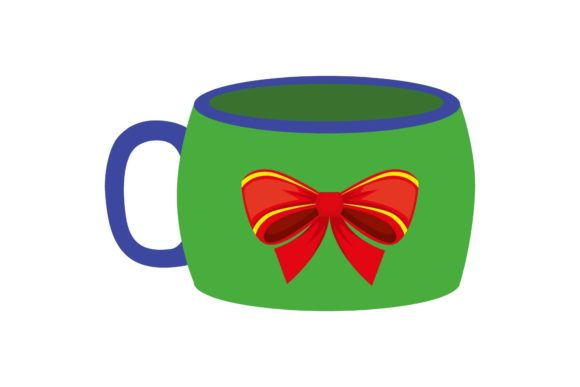
Christmas Drink Cup
A Designer’s First Glance: Cheerful, Compact, and Ready for Real Fabric
When I opened Christmas Drink Cup for the first time, I didn’t see just another holiday graphic—I saw a small, joyful moment waiting to land on real fabric. It’s warm without being cutesy, festive without feeling cluttered, and scaled with clear intention. The cup sits centered, steam curling upward in soft loops, a subtle holly sprig or candy cane accent (depending on version) adding just enough narrative. As an illustration, it leans into clean line work and balanced negative space—exactly what makes a design translate well from screen to stitch.
Where It Shines: Tote Bags, Sweatshirts, and Thoughtful Holiday Gifts
I recently prepped a batch of embroidered tote bags for a local boutique’s holiday pop-up—and Christmas Drink Cup was my top pick for the front panel. Why? Because it holds visual weight at 4–5 inches wide, reads clearly from across a crowded craft fair table, and doesn’t demand heavy stabilizing or dense fill stitches. On a medium-weight canvas tote, the design stitched cleanly with minimal puckering. Same went for a lightweight cotton sweatshirt—no distortion, no thread nesting, just crisp satin-stitched outlines and smooth fill areas.
It also worked beautifully as a baby onesie embroidery file—scaled down to 3 inches, the cup retained its charm and legibility. No tiny stems or fragile stems that vanish in stitching. For aprons and tea towels, I used it as a single focal point near the pocket or hem, letting the simplicity speak for itself. And yes—it’s strong enough for a patch, especially when backed with twill or fused stabilizer before cutting.
Where to Pause: Texture, Scale, and Fabric Behavior
This isn’t a “throw-it-on-anything” design—and that’s a good thing. On highly textured fabrics like terry cloth or bouclé, the finer steam lines softened too much. On thin or stretchy knits (think baby rib or lightweight jersey), I added cutaway stabilizer *beneath* and tear-away *on top*, then reduced stitch density slightly in the fill zones. Without that, the cup’s base looked slightly bloated.
Dark fabrics require thoughtful thread color choices—white or cream thread pops nicely, but avoid pale golds or light reds unless you’re stitching over a mid-tone background. Also, skip curved surfaces like cap fronts unless you’re confident in your hooping technique; the symmetrical layout works best on flat or gently contoured planes.
Small Hoop Reality Check
If you’re working with a 4×4 hoop, Christmas Drink Cup fits comfortably—but only if you’re not adding names or custom text below it. There’s little margin for extra elements without crowding. That makes it ideal for standalone use: a single embroidered mug on a kitchen towel, a cup motif on a holiday pillow cover, or a minimalist card front. Don’t force it into tight corners or layered compositions unless you’ve tested spacing on scrap first.
What It Adds to Your Finished Product
Christmas Drink Cup elevates handmade presentation without shouting. Customers notice the care—not just the theme. On Etsy listings, it performs well in mockups because it’s instantly readable at thumbnail size. In person, it reads as intentional, not generic. That builds trust: buyers assume attention to detail extends to construction, finishing, and packaging.
For small shop owners, it supports brand consistency when used across product types—a matching set of embroidered mugs, towels, and totes feels curated, not pieced together. And as a personalized gift? It lands warmly. Not overly religious, not overly commercial—just cozy, human, and seasonally grounded.
Practical Notes Every Embroidery Designer Should Run Through
- Test first—always run Christmas Drink Cup on scrap fabric matching your final substrate, using your actual thread and stabilizer combo.
- Check contrast—view the design in black-and-white mockups to confirm legibility on both light and dark backgrounds.
- Review stitch density—especially in the cup’s fill area. If it feels heavy for your fabric, adjust density before stitching a full run.
- Confirm hoop compatibility—measure the design’s widest point against your machine’s max hoop size. Don’t guess.
- Inspect fine details—zoom in on the steam and holly accents. Are they stitchable at your intended size? Or do they need slight simplification?
- Verify licensing—since this is a digital embroidery file sold for commercial use, double-check terms before selling finished embroidered items or bundling it into digital product kits.
Final Thought: A Reliable, Human-Scale Design Asset
Christmas Drink Cup won’t replace your go-to script monogram or intricate snowflake motif—but it fills a quiet, valuable gap: a cheerful, stitch-friendly holiday graphic that feels handmade, not mass-produced. It’s the kind of design I reach for when I want warmth without fuss, clarity without compromise, and versatility without sacrifice. Whether you're an Etsy seller building a seasonal collection, a craft business owner stocking holiday markets, or a hobbyist stitching gifts for friends—it earns its place in your embroidery project queue.
Just remember: great embroidery starts with smart design judgment—not just pretty previews. Test it. Touch it. Stitch it. Then let Christmas Drink Cup do what it does best: bring a little quiet joy to real fabric, real people, and real moments.