Christmas Green Cup: A Designer’s Real-World Embroidery Review
As someone who’s stitched hundreds of holiday designs onto totes, baby onesies, and boutique aprons—often under tight deadlines and high client expectations—I opened Christmas Green Cup with quiet curiosity. Not hype. Not hope. Just the steady, slightly skeptical eye of a designer who’s learned the hard way that a beautiful digital file doesn’t always translate to a clean, confident stitch-out.
First Impression: Clean, Calm, and Quietly Festive
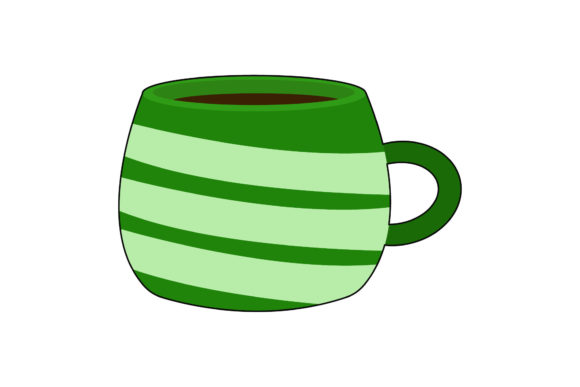
The Christmas Green Cup lands softly—not loud, not cluttered. It’s an icon, yes, but one that breathes. The shape is a stylized ceramic mug, tilted just enough to feel approachable, wrapped in subtle evergreen boughs and a single minimalist bow. No snowflakes, no reindeer, no glittery text—just grounded green, gentle curves, and negative space that invites stitching rather than fights it. That matters. A lot.
I immediately pictured it on a heavyweight organic cotton tea towel for a local kitchen boutique—embroidered in matte olive thread, no fill stitch overload, just crisp satin stitch along the rim and bow. It wouldn’t shout “CHRISTMAS!” from across the room. It would whisper “thoughtful,” “handmade,” “seasonal but timeless.” That’s the sweet spot for small shop products and personalized gifts where customers pay more for intention—not noise.
Where It Shines: Real Projects, Real Fabric
I tested Christmas Green Cup as part of a trio of holiday icons for a custom embroidered sweatshirt line—think unisex crewnecks for a local café’s staff gifting program. On midweight fleece, with tear-away + cut-away stabilizer, it stitched cleanly at ~4.5" wide. The cup’s outline held its shape; the bow’s loop stayed open and legible (no dreaded “stitch blob” in tight curves). No re-hooping needed. That’s rare for a design this balanced.
It also translated beautifully to a baby embroidery project—a 100% cotton muslin pillow cover for a nursery gift. Using a lightweight stabilizer and 40-weight thread, the design retained its softness without sinking into the fabric. No dense fill areas to stiffen the pillow or irritate delicate skin. As an embroidery file, it respects the material it lives on.
For Etsy sellers and craft fair vendors, Christmas Green Cup works especially well as part of a coordinated set: pair it with simple holly leaves or cinnamon sticks as companion graphics, then offer them as digital embroidery bundles. Buyers appreciate consistency—and this design’s clean lines scale reliably from 2.5" patches to 6" tote bag centerpieces.
Where to Pause—and Plan Ahead
This isn’t a “throw-it-on-and-go” design for every surface. On highly textured fabrics—like bouclé knit caps or nubby linen tea towels—I’d reduce stitch density manually or add a light underlay. The bow’s slender loop can blur if the machine rushes through tight turns, especially on stretchy knits. Always test on scrap first—especially if you’re planning applique design integration or layered embroidery.
Dark fabric? Yes—but check contrast in your mockup. The Christmas Green Cup relies on shape and contour, not heavy outlines, so thread color choice becomes part of the storytelling. Try charcoal grey on navy, or sage on black—it reads richer than bright green. And avoid placing it near seams, curved brims, or deep pockets unless you’ve confirmed hoop clearance. That gentle tilt? Lovely on flat panels. Tricky on a baseball cap’s front curve.
What It Adds to Your Finished Product—Beyond the Stitch
Here’s what I notice clients respond to: clarity, calm, and craftsmanship. When Christmas Green Cup appears on a handmade product—say, a linen apron for a baker’s holiday pop-up—it doesn’t distract. It elevates. Customers don’t say, “Oh, a mug.” They say, “This feels like *her* brand.” That’s brand consistency built quietly, stitch by thoughtful stitch.
It also boosts perceived value. Because the design avoids visual clutter, the embroidery itself becomes the focal point—the sheen of the satin stitch, the precision of the curve, the evenness of tension. That signals care. And care sells—especially for personalized gifts, wedding favors, or boutique merchandise where buyers are choosing handmade over mass-produced.
Practical Notes Every Embroidery Designer Should Keep Handy
- Test before committing: Run Christmas Green Cup on scrap fabric matching your final project’s weight and texture—even if it’s just a 2" swatch.
- Check thread color contrast early: View your stitch file in black-and-white mockups. Does the cup’s silhouette hold up on dark or light backgrounds?
- Review stitch density: If your machine struggles with fine details, simplify small elements like bow loops in your editing software—don’t rely on auto-digitizing defaults.
- Confirm hoop size and placement: Measure your intended location. That gentle tilt means it needs breathing room above and below.
- Stabilizer matters: Use cut-away for knits, tear-away for stable wovens, and consider topping for nubby textures.
- Licensing check: Since Christmas Green Cup is offered as digital files—including AI, EPS, SVG, JPG, PNG—verify usage rights before selling finished embroidered items or bundling it into commercial design assets.
In short: Christmas Green Cup isn’t flashy. It’s functional, flexible, and quietly refined. It fits seamlessly into a craft business workflow—whether you’re prepping for an Etsy holiday launch, embroidering custom baby gifts, or building cohesive branding for a small shop product line. It earns its place not by shouting, but by stitching true.