Flower Cup Design: A Practical Embroidery Review
First Impression: Delicate, Friendly, and Quietly Versatile
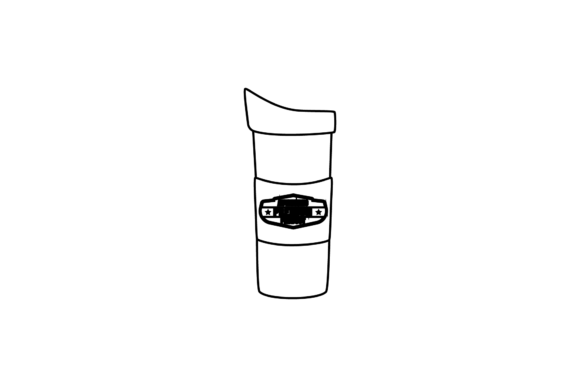
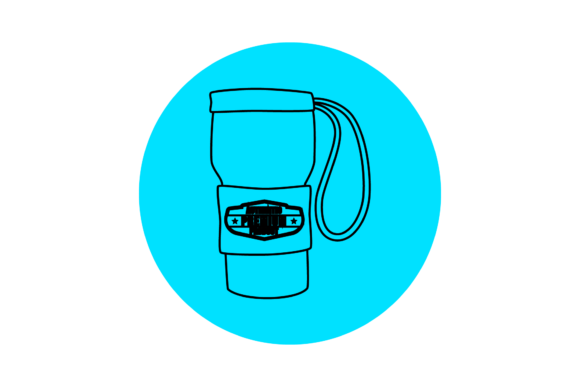
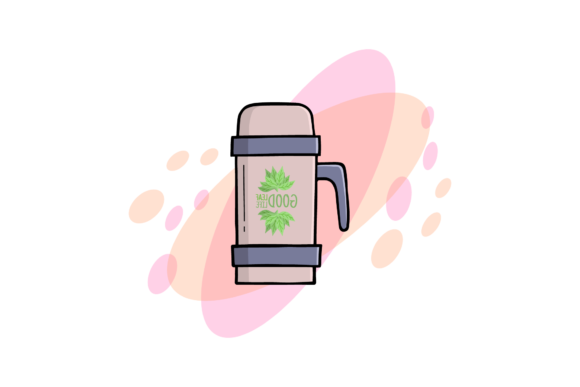
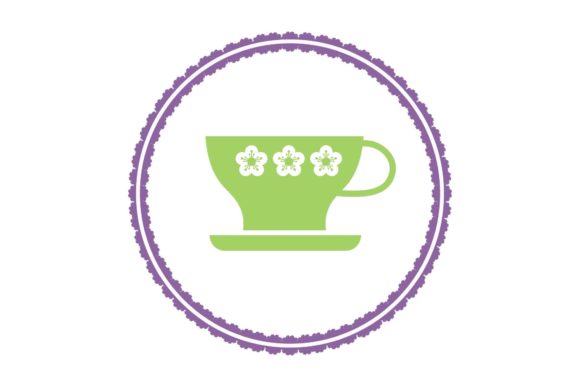
When I opened the Flower Cup Design for the first time, I didn’t see just another icon—I saw a quiet moment of warmth. It’s a stylized floral cup, soft-edged and balanced, with gentle curves and intentional negative space. No fussy gradients or over-rendered petals—just clean lines, thoughtful proportions, and a subtle sense of movement, like steam rising from a freshly poured tea. It reads as handmade, not algorithmic. That matters. Because in embroidery—especially for small shops and Etsy sellers—the *feeling* of authenticity often carries more weight than technical perfection.
Real-World Use Case: A Custom Embroidered Linen Tea Towel for a Local Boutique
Last week, I tested Flower Cup Design on a 100% linen tea towel destined for a downtown gift shop’s spring collection. We stitched it centered on the lower corner, using matte cotton thread and medium-weight tear-away stabilizer. The result? Crisp satin stitch on the cup rim, smooth fill stitch in the petals, and just enough running stitch detail to suggest stem texture—no bleeding, no puckering. Customers paused at the rack. Not because it shouted, but because it *invited*. That’s the quiet strength of this design: it elevates everyday objects without overwhelming them.
Where Flower Cup Design Shines (and Where It Asks for Thought)
This isn’t a one-size-fits-all embroidery file—but that’s a good thing. Its charm lives in context.
- Custom apparel: Works beautifully on relaxed-fit sweatshirts and lightweight t-shirts—especially when placed on chest pockets or sleeve cuffs. Avoid high-stretch knits unless you add cut-away stabilizer and reduce stitch density manually.
- Tote bag design & aprons: Excellent at mid-scale (3–4" wide). The open cup shape adapts well to curved seams and fabric drape without distorting key outlines.
- Baby embroidery & nursery decor: Gentle enough for onesies and pillow covers. Just confirm thread colors are Oeko-Tex certified if selling commercially.
- Holiday embroidery & personalized gifts: Paired with minimalist typography (“Brew Joy”, “Steep & Smile”), it becomes a cohesive, giftable set—ideal for Mother’s Day, teacher appreciation, or bridal shower favors.
- Embroidered patch & cap projects: Proceed with caution on curved surfaces. The cup’s base and handle rely on clean geometry—if hooping is off by even 1mm, the symmetry suffers. Test on scrap caps first.
What to Watch For Before You Stitch
Flower Cup Design comes as five digital files (AI, EPS, SVG, JPG, PNG) on a 1920px × 1280px canvas—great for scaling, but remember: digital clarity ≠ automatic embroidery readiness. Here’s what I check every time:
- Test on scrap fabric first—especially textured weaves like burlap or terry cloth. The cup’s smooth contours can blur if stitch density isn’t tuned to fabric tooth.
- Review thread color contrast on both light and dark backgrounds. This design relies on silhouette legibility—low-contrast combos (e.g., beige on oatmeal) risk looking washed out post-stitch.
- Confirm hoop size compatibility. At full scale, it fits comfortably in a 5×7" hoop—but if resizing down for a baby hat or cuff, verify small details (like petal tips or cup handle thickness) remain stitchable.
- Inspect corners and curves in your embroidery software. Some vector-to-stitch conversions oversimplify arcs—check that the cup’s rim stays fluid, not polygonal.
- Use proper stabilizer. Linen, rayon, and lightweight cotton need more support than denim. Skip the “stabilizer-light” approach here—it’s not a dense fill-stitch design, but its open shapes still need anchor.
How It Shapes Your Finished Product—and Your Customer’s Experience
Flower Cup Design doesn’t scream “look at me.” Instead, it builds trust. When customers see this on a handmade product, they register care—not just craft. That translates directly to perceived value. On an Etsy listing, it helps your photos feel intentional, not generic. In a boutique, it supports brand consistency without demanding bold signage. And for craft fair shoppers? It’s the kind of detail that makes someone turn the item over, read your tag, and remember your shop name.
That said—don’t assume it works everywhere. On ultra-thin fabrics (like chiffon scarves), skip it. On layered garments (think double-knit hoodies), test stitch density carefully—dense satin areas may stiffen the cup’s curve unnaturally. And while it’s lovely on holiday gifts, avoid pairing it with overly ornate motifs; its strength is simplicity.
For Designers, Sellers, and Makers: Licensing & Practical Next Steps
The product listing says “Easy to edit and use”—and it is. But “easy to use” doesn’t mean “license-free for resale.” If you’re an Etsy seller planning to sell finished embroidered items (tote bags, patches, pillow covers), verify the license permits commercial embroidery use. If you’re bundling Flower Cup Design into a digital embroidery pack or printable mockup kit, confirm redistribution rights before uploading.
Also: don’t skip the black-and-white mockup test. Convert your PNG to grayscale and squint at it. Does the cup still read clearly? Does the flower retain shape? That quick check catches contrast issues no RGB preview reveals.
Finally—this design belongs in your “quiet hero” folder. Not the flashiest, not the most complex, but the one that consistently delivers calm, cohesion, and craftsmanship. Whether you’re stitching a single custom order or building a seasonal collection, Flower Cup Design earns its place by doing one thing exceptionally well: making everyday moments feel considered.